
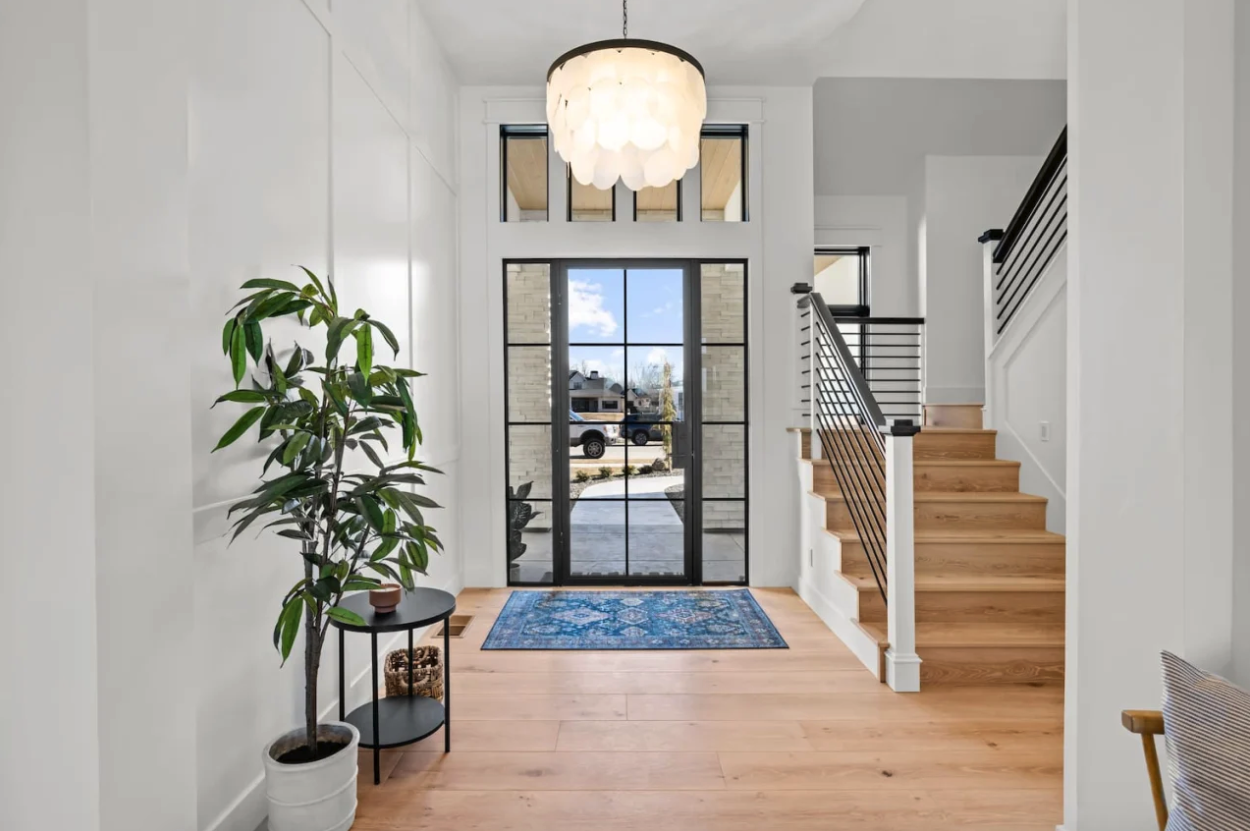
Selling a home quickly in 2026 requires more than simply putting a property on the market and waiting for offers.
Today's buyers have more choices in many markets, mortgage affordability remains an important concern, and overpriced or poorly presented homes can struggle to generate attention. That means sellers need to be realistic about pricing, strategic about presentation, and prepared to make a strong first impression from the moment their home is listed.
The good news is that homes can still sell quickly when they are priced correctly and marketed effectively.
If you're preparing to sell, these tips can help you position your home to attract buyers, generate stronger interest, and potentially reduce the amount of time it spends on the market.
1. Price Your Home Correctly From the Beginning
Pricing is one of the most important factors when trying to sell a house quickly.
It can be tempting to list your home above market value to leave room for negotiation. However, an overly ambitious asking price can discourage buyers from scheduling a showing in the first place.
The first days and weeks after a home hits the market are often especially important because the listing is new and likely to receive its greatest initial exposure.
If buyers believe the property is overpriced, they may simply move on to another home.
A competitive asking price should consider factors such as:
Recent comparable sales
Similar homes currently for sale
Neighborhood conditions
Home size
Property condition
Upgrades and renovations
Lot characteristics
Current buyer demand
Avoid choosing your asking price solely based on what you paid for the property, what you spent improving it, or how much money you hope to receive from the sale.
The market ultimately determines what buyers are willing to pay.
2. Understand the 2026 Housing Market
The housing market in 2026 is different from the extremely competitive seller's markets experienced during parts of the early 2020s.
In many areas, buyers have more homes to choose from and may feel less pressure to make immediate offers.
Mortgage rates also remain an important affordability consideration for buyers.
As a result, today's buyers may be more selective about both price and property condition.
Sellers should avoid assuming that buyers will overlook problems simply because inventory is limited.
Your local market could still be highly competitive, balanced, or slower than the national market, so understanding current conditions in your specific area is essential before listing.
3. Improve Your Home's Curb Appeal
Buyers begin forming an opinion about your home before they walk through the front door.
An attractive exterior can create a positive first impression and make buyers more excited to see the interior.
Fortunately, improving curb appeal does not always require major renovations.
Consider simple projects such as:
Mowing the lawn
Trimming bushes and trees
Pulling weeds
Removing dead plants
Adding fresh mulch
Cleaning sidewalks
Washing the driveway
Cleaning exterior windows
Touching up peeling paint
Painting or cleaning the front door
Updating damaged house numbers
Cleaning outdoor light fixtures
Keep porches, driveways, walkways, and patios clean and uncluttered.
The goal is to make the property appear cared for and inviting.
4. Declutter Before Listing Your Home
Clutter can make a house feel smaller than it actually is.
Before taking listing photographs or allowing buyers inside, remove unnecessary belongings from visible areas.
Pay particular attention to:
Kitchen counters
Bathroom counters
Closets
Shelving
Bedrooms
Garages
Entryways
Home offices
You do not need to remove everything.
Instead, create enough open space for buyers to easily understand the size and function of each room.
If necessary, consider temporarily storing excess furniture, decorations, seasonal items, and boxes somewhere else.
Remember that buyers may look inside closets, cabinets, garages, and storage areas.
Organized storage spaces can help reinforce the impression that the home has adequate room.
5. Depersonalize the House
Your home probably contains photographs, collections, artwork, and personal belongings that make it feel uniquely yours.
When selling, however, you want buyers to imagine the property becoming their home.
Consider temporarily removing:
Large family photo displays
Highly personalized décor
Large collections
Excessive memorabilia
Strongly themed decorations
You do not need to make the home feel sterile.
A little personality can make a property feel welcoming.
The goal is simply to create an environment in which buyers can picture their own furniture, decorations, and family.
6. Deep Clean the Entire Property
A clean home can make a significant difference in how buyers perceive its condition.
Before listing, thoroughly clean areas that may not receive attention during normal housekeeping.
That may include:
Baseboards
Ceiling fans
Light fixtures
Windows
Window tracks
Appliances
Cabinets
Bathroom grout
Showers and tubs
Floors
Carpets
Doors
Air vents
Also pay attention to odors.
Pet smells, cigarette smoke, cooking odors, dampness, and heavily scented air fresheners can all affect a buyer's first impression.
Whenever possible, identify and correct the source of unpleasant odors rather than attempting to cover them with fragrance.
7. Make Minor Repairs Before Buyers Arrive
Small problems can create the impression that a home has not been maintained.
Walk through your property as though you were seeing it for the first time.
Look for issues such as:
Dripping faucets
Loose handles
Broken light switches
Burned-out bulbs
Damaged screens
Sticking doors
Cracked outlet covers
Missing trim
Small drywall damage
Loose cabinet hardware
Individually, these issues may seem minor.
Together, they can cause buyers to wonder what larger maintenance problems might exist.
Completing inexpensive repairs before listing can help make the home feel move-in ready.
8. Consider Fresh Paint
Painting can be one of the simplest ways to refresh a home's appearance before selling.
Walls with heavy wear, unusual colors, or visible damage may distract buyers.
Neutral colors can make rooms feel cleaner, brighter, and easier for buyers to imagine decorating themselves.
You do not necessarily need to repaint the entire house.
Prioritize areas with:
Scuffed walls
Peeling paint
Strong or unusual colors
Visible stains
Poorly patched damage
Trim, doors, and baseboards may also benefit from touch-ups.
9. Stage the Home for Buyers
Home staging is about presenting your property in a way that makes its strengths easy to recognize.
This can involve professional staging, but sellers can also make meaningful improvements themselves.
Start by evaluating furniture placement.
Remove pieces that:
Block walkways
Cover windows
Make rooms feel crowded
Hide attractive features
Arrange remaining furniture to create comfortable conversation areas and clearly demonstrate how each room can be used.
Simple additions such as fresh bedding, clean towels, attractive pillows, and a few carefully selected decorations can make rooms feel more inviting.
10. Let in Plenty of Natural Light
Bright homes often feel larger and more welcoming.
Before a showing:
Open blinds
Open curtains
Clean windows
Turn on lights
Replace burned-out bulbs
Use appropriate bulbs so rooms do not appear excessively dark or harsh.
If landscaping blocks significant amounts of natural light, carefully trimming vegetation around windows may also help.
11. Invest in Professional Real Estate Photography
Many buyers will first encounter your home online.
That means your listing photographs may determine whether someone decides to schedule a showing.
Poorly lit, blurry, distorted, or incomplete photographs can make an otherwise attractive property easy to overlook.
High-quality real estate photography should showcase:
Main living areas
Kitchen
Bedrooms
Bathrooms
Outdoor spaces
Exterior
Noteworthy features
Depending on the property, additional marketing may include:
Video tours
Virtual tours
Floor plans
Drone photography where appropriate and legally permitted
Strong visual marketing can help your property stand out when buyers are comparing multiple listings online.
12. Write an Informative Listing Description
Listing photographs attract attention, but the description helps buyers understand what makes the property special.
A useful listing description should highlight important features without exaggeration.
Potential selling points might include:
Updated kitchen
Renovated bathrooms
Large backyard
Fenced yard
Home office
Finished basement
Energy-efficient features
New roof
Updated HVAC
Storage
Outdoor entertaining areas
Garage space
Focus on specific features rather than relying entirely on generic phrases.
Buyers increasingly search for homes using detailed online filters and AI-powered tools, so clear information about the property's features can make the listing more useful and discoverable.
13. Make Your Listing Information Complete and Accurate
Online home searches are becoming increasingly sophisticated.
Buyers may filter properties based on dozens of characteristics, including square footage, bedrooms, bathrooms, lot size, parking, home features, and amenities.
Make sure your listing information is complete and accurate.
Depending on the property, useful information may include:
Bedroom count
Bathroom count
Square footage
Lot size
Parking
Garage spaces
Flooring
Appliances
Outdoor features
Major upgrades
Energy features
HOA information
Property age
Accurate information can also help prevent buyers from discovering unexpected details later in the transaction.
14. Make Showings Easy to Schedule
If your goal is to sell quickly, buyers need opportunities to see the property.
Extremely restrictive showing schedules can reduce the number of potential buyers who visit.
Whenever possible, provide reasonable flexibility for:
Weekday appointments
Evening showings
Weekend showings
Buyers often have work, family, and travel schedules that limit their availability.
Keeping the property consistently clean and showing-ready can make last-minute requests easier to accommodate.
15. Leave During Showings When Possible
Buyers generally feel more comfortable exploring a home when the seller is not present.
When owners remain inside, buyers may rush through rooms or feel uncomfortable discussing the property's advantages and disadvantages.
If possible, give buyers and their real estate professional privacy during the showing.
Secure valuables, important documents, medications, and sensitive personal information before leaving.
16. Pay Attention to Buyer Feedback
If your home receives several showings but no offers, buyer feedback can provide valuable information.
Repeated comments about the same issue should not automatically be dismissed.
For example, multiple buyers may indicate that:
The price feels too high
A room feels crowded
The property appears dated
Landscaping needs improvement
Odors are noticeable
Repairs are concerning
You do not need to make every change buyers suggest.
However, patterns in feedback can reveal obstacles that are preventing a sale.
17. Respond Quickly to Offers
If selling quickly is your priority, be prepared to evaluate offers promptly.
An offer contains much more than a purchase price.
Consider factors such as:
Financing
Down payment
Earnest money
Inspection terms
Appraisal terms
Closing date
Seller concessions
Contingencies
The highest offer is not always the strongest offer.
A slightly lower offer with stronger financing and fewer complications could potentially provide a more reliable path to closing.
Evaluate the complete offer rather than focusing solely on the headline price.
18. Be Prepared for Negotiation
In a market where buyers may have more choices, sellers should be prepared for negotiations.
Buyers might request:
Price reductions
Repair credits
Closing-cost assistance
Home warranty coverage
Flexible closing dates
Specific personal property
That does not mean you should agree to every request.
Before listing, decide which terms matter most to you.
If speed is more important than maximizing every dollar, being flexible on certain terms could help complete the transaction sooner.
19. Consider Buyer Affordability
Mortgage rates can have a major impact on what buyers can comfortably afford each month.
A relatively small difference in the sale price can affect a buyer's mortgage payment and ability to qualify.
This makes strategic pricing especially important in 2026.
Sellers may also encounter buyers requesting closing-cost assistance or other concessions designed to reduce upfront expenses.
Whether those arrangements make sense depends on the offer, your financial position, lender requirements, and local market conditions.
20. Avoid Over-Improving Before Selling
You do not necessarily need a full renovation to sell your home quickly.
Large remodeling projects can take time and may not return their entire cost at resale.
Instead, focus on improvements that remove obvious buyer objections.
Priorities might include:
Cleaning
Painting
Landscaping
Minor repairs
Replacing broken fixtures
Improving lighting
Removing clutter
A clean, functional, well-maintained home can often be more important than one with expensive upgrades chosen specifically for resale.
21. Consider a Pre-Listing Inspection
Some sellers choose to have their home inspected before placing it on the market.
A pre-listing inspection may identify issues that could otherwise appear during the buyer's inspection.
This can give you an opportunity to:
Make repairs
Obtain estimates
Gather documentation
Prepare for negotiations
A pre-listing inspection is not appropriate for every seller, and disclosure requirements vary.
Discuss the advantages and disadvantages with a knowledgeable real estate professional before deciding whether it makes sense for your situation.
22. Gather Important Home Documents
Having property information organized before listing can make the transaction easier.
Useful documents may include:
Repair receipts
Renovation records
Appliance warranties
Roof documentation
HVAC service records
Surveys
Permits
HOA documents
Utility information
Providing accurate documentation can help answer buyer questions quickly and potentially reduce delays later.
23. Choose the Right Time to List
There is no universally perfect month to sell a house.
Historically, buyer activity has often increased during the spring and early summer, although market seasonality can vary considerably by location.
Your personal timeline matters as well.
The best time to sell may depend on:
Local inventory
Buyer demand
Employment changes
School schedules
Your next home purchase
Moving deadlines
Financial circumstances
A properly priced and well-marketed home can attract buyers throughout the year.
24. Work With Professionals Who Understand the Current Market
Selling a house involves pricing, marketing, negotiations, disclosures, inspections, appraisals, financing, and legal paperwork.
Experienced professionals can help you understand how those pieces fit together.
Depending on your transaction, you may work with:
A real estate agent
Title or escrow professionals
A real estate attorney
Home inspectors
Contractors
Tax professionals
When choosing a real estate professional, ask how they plan to price and market your property rather than simply choosing whoever suggests the highest listing price.
How Can I Sell My House Fast in 2026?
If your primary goal is speed, focus on the fundamentals:
Price the property competitively.
Complete obvious repairs.
Clean and declutter thoroughly.
Improve curb appeal.
Use high-quality photography.
Provide accurate listing information.
Make showings easy.
Respond quickly to buyer interest.
Remain realistic during negotiations.
There is no guaranteed formula for an immediate sale, but these steps can remove many of the common obstacles that cause homes to remain on the market.
What Makes a House Sell Quickly?
Homes tend to attract stronger buyer interest when the price, condition, location, and presentation align with buyer expectations.
You cannot change your home's location, but you can control many other factors.
A property that is clean, appropriately priced, easy to tour, professionally presented, and marketed effectively has a better opportunity to stand out against competing listings.
Should You Lower the Price if Your House Isn't Selling?
Sometimes.
If your home has been available for a meaningful period without generating offers, pricing could be one of several possible problems.
Before reducing the price, evaluate:
Number of online views
Number of showings
Buyer feedback
Comparable sales
Competing listings
Property condition
Marketing quality
If buyers are viewing the listing online but rarely scheduling appointments, the price or presentation may be discouraging them.
If buyers are touring the house but not making offers, feedback from those showings may help identify the issue.
A strategic price adjustment can sometimes generate renewed interest, but it should be based on market evidence rather than guesswork.
Should You Renovate Before Selling in 2026?
Not necessarily.
Major renovations can be expensive, disruptive, and time-consuming.
If you're trying to sell quickly, smaller improvements may provide a better balance between cost and impact.
Focus first on:
Repairs
Cleaning
Paint
Landscaping
Lighting
Decluttering
Presentation
If your home requires substantial work, compare the potential sale price after renovations against the cost, time, and uncertainty involved in completing them.
Frequently Asked Questions About Selling a Home Quickly in 2026
How do I make my house sell faster?
Price it competitively, improve its appearance, complete obvious repairs, use professional-quality photography, provide complete listing information, and make the home easy for buyers to tour.
What is the most important thing when selling a house?
Pricing is one of the most important factors because even an attractive home can struggle to generate buyer interest if the asking price is significantly above comparable properties.
Is 2026 a good year to sell a house?
Whether 2026 is a good year to sell depends heavily on your local market and personal circumstances. Inventory, buyer demand, mortgage rates, employment conditions, and local home prices can vary considerably between markets.
Should I stage my home before selling?
Staging can help buyers understand the size, layout, and potential use of a property. Even if you do not hire a professional stager, decluttering and thoughtfully arranging furniture can improve presentation.
Do professional photos help sell a house?
High-quality photographs can help a listing make a stronger first impression online, where many buyers begin their home search.
Should I accept the first offer on my home?
Not automatically. Evaluate the price along with financing, contingencies, requested concessions, closing timeline, and other terms. The first offer could be excellent, but every offer should be evaluated on its own merits.
What should I fix before selling my house?
Prioritize obvious defects that could discourage buyers, such as leaks, broken fixtures, damaged walls, burned-out lights, peeling paint, malfunctioning doors, and neglected landscaping.
How clean should a house be before listing?
Ideally, the home should be thoroughly cleaned before photographs and showings. Pay particular attention to kitchens, bathrooms, floors, windows, odors, and highly visible surfaces.
Final Thoughts
Selling your home quickly in 2026 requires understanding what today's buyers expect.
With increased choice in many markets and affordability remaining an important consideration, sellers may need to compete for buyer attention rather than assuming buyers will compete for every available home.
The strongest strategy usually starts with the basics: price the property realistically, make it look its best, correct obvious problems, market it professionally, and make it easy for qualified buyers to see.
You do not necessarily need expensive renovations or dramatic upgrades.
A clean, attractive, well-maintained home offered at a price that makes sense compared with competing properties can put you in a much stronger position.
Most importantly, remain willing to respond to what the market tells you.
If buyers consistently raise the same concerns or comparable homes are selling while yours is not, adjusting your price, presentation, or strategy may be the key to turning interest into an offer and getting your home sold.
King & Edge Real Estate Agents in Boise, Idaho
As experienced Boise real estate agents, we are honored to have the opportunity to serve you and be a part of your real estate journey. Let us guide you towards a successful and rewarding experience, where your goals become our goals, and your vision becomes a reality. Contact us today and discover the unparalleled service and expertise that sets King & Edge Real Estate apart as we help you sell your home in Boise or find your place to call home.
// View Our Portfolio of Listings
Stacey King Boise Real Estate Agent
Raised in a family engaged in custom building and real estate appraisal, Stacey was destined for a career in real estate. Moving to Boise in 2010, she developed a deep love for the area, purchasing her first home in 2016, a step that ignited her passion to help others experience the transformative power of homeownership. Stacey has built her business on integrity, exceptional client experience, meaningful relationships, and community investment. She dedicates a portion of each commission to support local and global charities, with a special passion for the Women’s and Children’s Alliance, aiding victims of domestic abuse. Stacey’s commitment to her clients and her community has paved the way for enduring friendships and a fulfilling career.
