
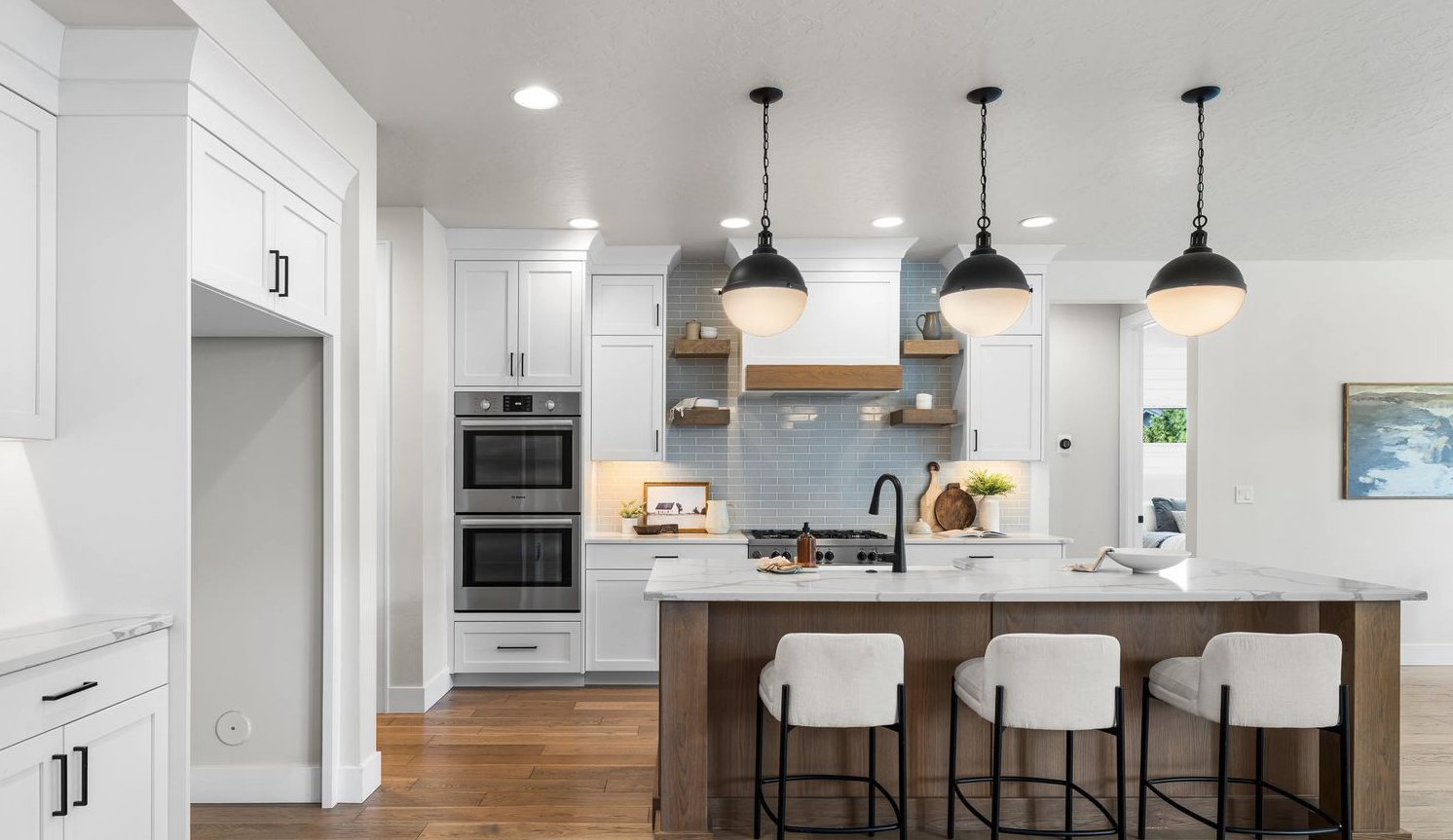
Selling a home is a major financial and personal decision. The right agent can help you price your home wisely, prepare it for the market, attract strong buyers, negotiate effectively, and keep the transaction moving toward a smooth closing. Asking thoughtful questions before you hire an agent helps you understand not only their experience, but also how they will protect your time, money, and peace of mind throughout the process.
This guide covers the most important questions to ask a realtor when selling a home, along with why each question matters and what to listen for in the answer.
Why these questions matter
Interviewing a listing agent is about more than comparing personalities. It is your chance to learn how that agent thinks, how they solve problems, how they communicate, and whether they have a clear plan for selling a home like yours. A strong agent should be able to explain their approach in plain language, back up recommendations with data, and help you avoid common mistakes such as overpricing, underpreparing, or accepting weak terms.
For home sellers, these questions can help reduce uncertainty and improve decision-making. For home buyers who may be selling first before purchasing their next home, they can also help with timing, contingency planning, and understanding how one transaction may affect the next.
1. What experience do you have with homes like mine?
You want an agent who understands how to sell a property with your price point, condition, style, and target buyer in mind. Experience matters because different homes require different strategies. A starter home, a luxury home, an investment property, and a fixer-upper may each need a different pricing and marketing approach.
Ask how many similar homes the agent has sold recently and what challenges they commonly see with listings like yours. A good answer should include specifics about buyer expectations, pricing patterns, and what tends to help homes like yours sell faster and for stronger terms.
Why this helps sellers:
An agent with relevant experience is more likely to identify the right buyer pool, avoid pricing mistakes, and guide you on which updates are worth doing before listing.
2. How would you determine the right listing price?
Pricing is one of the most important decisions you will make. Price too high and your home may sit on the market, causing buyers to wonder what is wrong with it. Price too low and you may leave money behind.
A strong agent should walk you through a comparative market analysis, recent comparable sales, active competition, pending listings, and current buyer demand. They should also explain how pricing strategy can affect the number of showings and offers you receive.
What to listen for:
Look for data, reasoning, and realism. Be cautious if an agent suggests a much higher price than others without a clear explanation.
Why this helps sellers:
A smart pricing strategy can create stronger early interest, reduce time on market, and improve your chances of receiving competitive offers.
3. What is your marketing plan for my home?
Today’s buyers often decide which homes to see in person based on what they view online first. That means presentation matters. Ask the agent exactly how they will market your property, where it will be promoted, and what they do to help your home stand out.
A solid marketing plan may include professional photography, video, floor plans, virtual tours, online listing optimization, social media promotion, email outreach, open houses, private showings, and networking with other agents.
Go a step further and ask:
Who pays for marketing costs?
Will you recommend staging?
How will you highlight my home’s best features?
What happens if the first two weeks are slow?
Why this helps sellers:
A clear marketing plan increases visibility and can attract better-qualified buyers, which often leads to stronger offers.
4. What should I do before listing my home?
Not every repair or upgrade delivers the same return. A good agent should help you focus on the improvements that matter most instead of spending money on projects buyers may not value.
They may recommend decluttering, deep cleaning, touch-up paint, landscaping, minor repairs, better lighting, depersonalizing rooms, or staging key areas. In some cases, they may advise you not to overimprove and instead price the home appropriately for its condition.
Why this helps sellers:
This can save you money and reduce stress by helping you focus on the changes most likely to improve showings and offers.
Extra value for buyers who are also sellers:
If you need proceeds from this sale for your next purchase, preparing your home correctly from the start can help support your timing and financing plans.
5. What are your fees, and what is included?
You should understand exactly what you are paying for before signing anything. Ask how the commission is structured, what services are included, and whether there are any extra costs for photography, staging, advertising, transaction coordination, or administrative fees.
Also ask for an estimate of your total selling costs beyond commission, such as potential repairs, closing costs, transfer-related fees, or buyer concessions.
Why this helps sellers:
A clear breakdown helps you compare agents fairly and build a more accurate estimate of your net proceeds.
6. How will you keep me updated during the process?
Selling a home can move quickly. Showings, feedback, offers, inspection issues, and closing deadlines all require timely communication. Ask how often the agent provides updates, what method they prefer, and how quickly they typically respond.
A strong agent should be able to explain how they handle showing feedback, offer deadlines, negotiation updates, and any changes in market activity that could affect your listing.
Why this helps sellers:
Good communication reduces stress, prevents missed opportunities, and helps you make decisions faster when timing matters.
7. Are you available when I need you?
Responsiveness matters in real estate. Ask who will handle your listing day to day, whether you will be working directly with the agent or a team member, and how availability is managed during evenings, weekends, and vacations.
This is especially important if you expect a fast-moving sale, live out of town, or are coordinating a purchase at the same time.
Why this helps sellers:
You want to know who is actually guiding your transaction and whether support will be consistent from listing to closing.
8. How long do your listings typically take to sell?
Ask how long their recent listings have stayed on the market and how that compares with similar homes. Also ask how often they have had to reduce prices and whether their listings generally sell close to asking price.
Keep in mind that speed alone is not everything. A home that sells quickly at the wrong price may not be a win. The goal is a balance of market exposure, pricing accuracy, and strong terms.
Why this helps sellers:
This gives you a better sense of how the agent’s pricing and marketing strategies perform in the real world.
9. What will you do if my home does not sell quickly?
This is one of the most useful questions because it shows whether the agent has a backup plan. Ask what they would review first if showings are low, if buyers are not making offers, or if feedback is negative.
They may talk about adjusting price, changing photos, improving staging, refining marketing language, broadening exposure, or solving condition-related objections.
Why this helps sellers:
A home that lingers on the market can lose momentum. You want an agent who notices problems early and responds with a plan instead of waiting too long.
10. Can you share reviews, references, or examples of recent sales?
Past client experiences can reveal a lot about how an agent works under pressure. Ask for recent seller references or feedback from people with similar homes or situations.
You can also ask about recent transactions that involved challenges such as inspection issues, financing delays, appraisal gaps, or tough negotiations.
Why this helps sellers:
References help you evaluate professionalism, communication, negotiation style, and follow-through.
11. How do you handle offers and negotiations?
The highest offer is not always the best offer. Terms matter too. Ask how the agent compares offers, handles multiple-offer situations, negotiates repairs, responds to low offers, and helps evaluate financing strength, contingencies, and closing timelines.
A good agent should explain how they help you look beyond price to assess overall risk and net results.
Why this helps sellers:
Strong negotiation can improve your final outcome not only through price, but also through cleaner terms, fewer delays, and lower chances of the deal falling apart.
Extra value for buyers who are also selling:
If you need flexibility to line up your next purchase, negotiation on possession dates, rent-backs, or timing can be just as important as sale price.
12. What makes you different from other agents?
This question gives the agent space to explain their strengths. The best answers are specific. They might mention deep market knowledge, a strong pricing record, detailed pre-list preparation, excellent communication, or a proven marketing system.
Be wary of vague claims. You are looking for substance, not just confidence.
Why this helps sellers:
This can help you understand whether the agent brings a clear, practical advantage to the table.
13. What risks or challenges do you see with my home, and how would you address them?
This is an important question many sellers forget to ask. A strong agent should be honest about anything that could affect marketability, such as outdated finishes, needed repairs, location factors, unusual layout, deferred maintenance, or buyer financing limitations.
You want someone who will tell you the truth early, not just what you want to hear.
Why this helps sellers:
Knowing likely objections in advance helps you prepare, budget wisely, and avoid surprises during negotiations.
14. What should I know about timing my sale and my next move?
For many sellers, timing is just as important as price. Ask how the agent would help you if you need to buy another home, relocate quickly, sell an inherited property, or coordinate a sale around school, work, or a lease timeline.
A thoughtful agent should discuss options such as flexible closing dates, post-closing occupancy, rent-back agreements, or contingency planning.
Why this helps sellers:
The best sale is not only about the final price. It is also about whether the timeline fits your life and next steps.
Red flags to watch for
Be cautious if an agent:
Recommends a high price without strong supporting data
Cannot explain their strategy clearly
Is slow to respond during the interview stage
Has no clear marketing plan
Avoids discussing risks, costs, or what happens if the home does not sell
Talks more about getting the listing than about helping you reach your goals
A good agent should be honest, prepared, and willing to answer hard questions directly.
Frequently Asked Questions
When should I hire a listing agent?
It is often wise to start talking with agents several weeks before you plan to list. That gives you time to prepare the home, make repairs, gather documents, and create a thoughtful pricing and marketing plan.
Can I talk to more than one agent before choosing one?
Yes. Interviewing more than one agent is often a smart move. It gives you a better sense of pricing recommendations, communication styles, and marketing approaches before you decide who is the best fit.
Should I sell before buying my next home?
That depends on your finances, risk tolerance, and local market conditions. Selling first may provide more certainty about your budget, while buying first may reduce the pressure of finding your next home quickly. A good agent can help you compare both options and understand the tradeoffs.
Is the highest list price estimate always the best choice?
Not necessarily. An inflated price can reduce buyer interest and lead to longer time on market, which may ultimately hurt your negotiating position. The best price is one supported by current market data and buyer behavior.
What should I do if my home needs work?
Many homes sell successfully with minor or moderate imperfections. The key is knowing which repairs matter most and which ones may not be worth the cost. A knowledgeable agent can help you prioritize improvements that may have the biggest impact on value and appeal.
What matters more: price or terms?
Both matter. A slightly lower offer with fewer contingencies, stronger financing, and better timing may be better than a higher offer with more risk. Your agent should help you evaluate the full picture.
Final thoughts
The right realtor should do more than put your home on the market. They should help you price strategically, prepare effectively, market thoughtfully, negotiate confidently, and guide you through each stage with clear communication. By asking the right questions upfront, home sellers can make a more informed choice and position themselves for a smoother, more successful sale.
King & Edge Real Estate Agents in Boise, Idaho
As experienced Boise real estate agents, we are honored to have the opportunity to serve you and be a part of your real estate journey. Let us guide you towards a successful and rewarding experience, where your goals become our goals, and your vision becomes a reality. Contact us today and discover the unparalleled service and expertise that sets King & Edge Real Estate apart as we help you sell your home in Boise or find your place to call home.
// View Our Portfolio of Listings
Ashley Carpenter Boise Real Estate Agent
Even before earning her real estate license, Ashley was enthusiastically developing a passion for real estate! After double majoring in International Relations and Latin American Studies at Holy Names University in Oakland, a brief stint as a campaign fundraiser and interning in her local congressional office taught her, she didn’t like working in politics. Ashley then started applying her administrative skills and marketing insights in the real estate industry, beginning in January of 2017. Looking to buy, sell or invest in real estate? Contact Ashley today to start a conversation about your real estate needs! Ashley is known as the best Spanish-speaking real estate agent in Boise.
